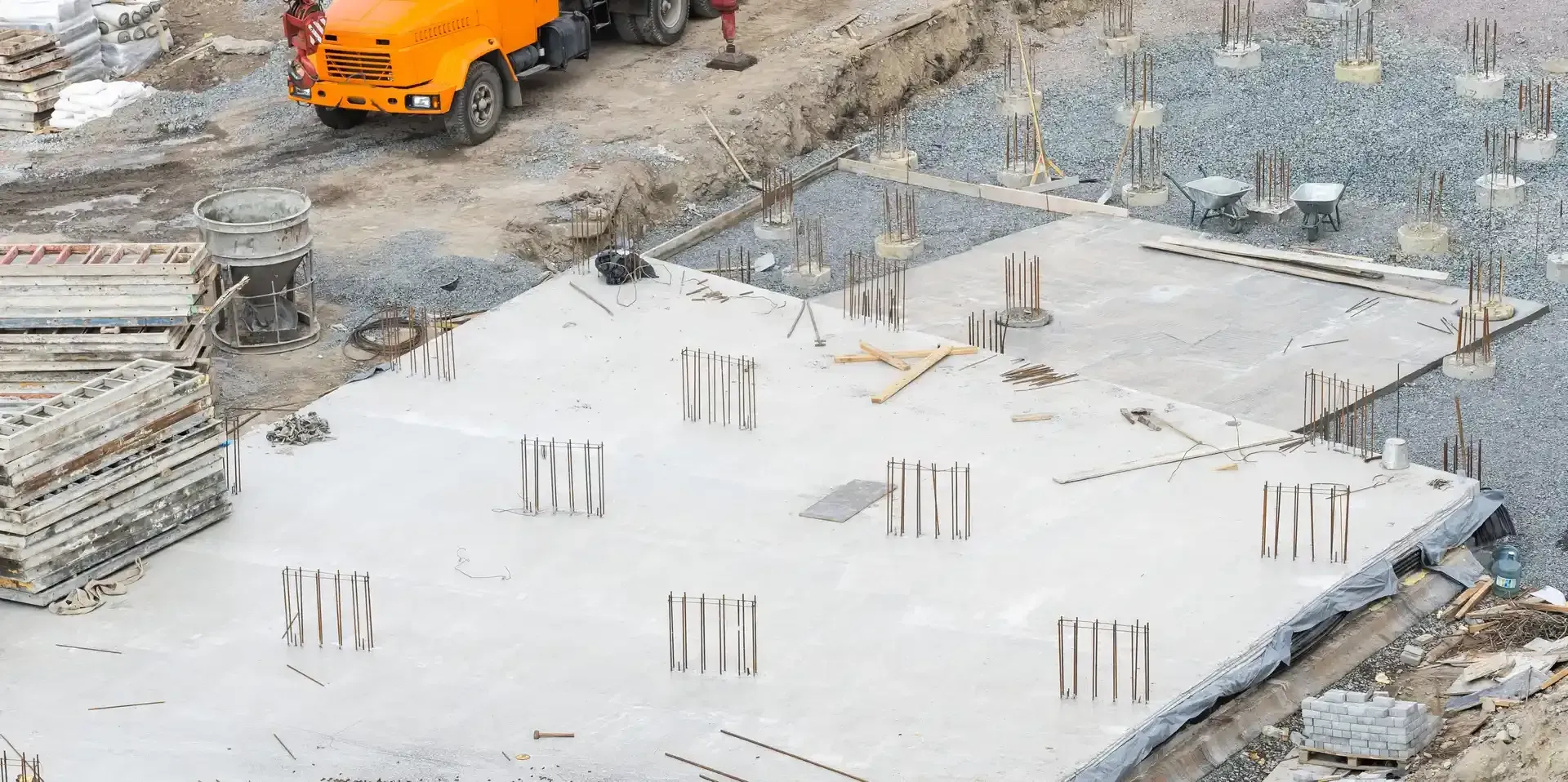
A building pad is one of the most important parts of any construction project.
Whether you're building a home, shop, garage, barn, metal building, or commercial structure, the quality of the pad beneath it can directly impact long-term performance.
Many construction problems that appear years later can often be traced back to poor site preparation, drainage issues, or inadequate pad construction.
Before construction begins, use this checklist to help ensure your property is properly prepared.
Step 1: Choose The Right Building Location
Before any dirt is moved, it's important to evaluate the property as a whole.
The best building location is not always the flattest area.
Factors to consider include:
- Drainage patterns
- Existing elevations
- Access routes
- Utility locations
- Septic requirements
- Future expansion plans
- Water flow during heavy rain
Taking time to evaluate the entire property often prevents expensive changes later.
Step 2: Complete Any Necessary Land Clearing
If the building site contains trees, brush, stumps, or heavy vegetation, clearing is typically the first step.
Land clearing helps:
- Create workspace
- Improve visibility
- Establish access
- Identify drainage concerns
- Prepare for excavation and grading
Many successful building projects begin with professional clearing before any other site work occurs.
Related Service:
Land Clearing
Step 3: Evaluate Drainage Before Construction
Water management should be addressed before a pad is built.
Ignoring drainage can lead to:
- Water pooling around structures
- Foundation concerns
- Erosion
- Septic issues
- Access problems
Before pad construction begins, evaluate:
- Natural water flow
- Low spots
- Existing drainage problems
- Culvert requirements
- Stormwater movement
A building pad should work with the property's drainage conditions, not against them.
Related Service:
Drainage, Culverts & Stormwater
Step 4: Complete Site Grading
Proper grading creates the elevations needed for long-term performance.
The grading phase often includes:
- Cutting high areas
- Filling low areas
- Establishing drainage slopes
- Creating usable space
- Preparing pad elevations
Good grading helps support both the building and the surrounding property.
Related Service:
Grading & Leveling
Step 5: Plan Utilities And Septic Early
Many property owners wait too long to think about utilities.
Before building pad construction is complete, consider:
- Water service
- Utility trenching
- Septic system locations
- Drain field placement
- Future utility expansion
Planning these systems early often helps avoid unnecessary rework.
Related Service:
Trenching, Septic & Utilities
Step 6: Verify Access To The Site
Construction equipment, concrete trucks, utility contractors, and future property owners all need reliable access.
Before construction begins, evaluate:
- Driveway locations
- Road conditions
- Culvert needs
- Equipment access
- Future traffic patterns
Good access improves efficiency throughout the project.
Related Service:
Driveways, Roads & Access
Step 7: Build The Pad Correctly
Once the site is prepared, the pad itself can be constructed.
A properly prepared building pad typically considers:
- Elevation
- Drainage
- Soil conditions
- Material requirements
- Compaction
- Structure type
Every project is different, which is why pad construction should be customized to the property and planned use.
Step 8: Think Beyond The Building
The structure is only one part of the project.
Consider future needs such as:
- Additional buildings
- Parking areas
- Pond construction
- Property expansion
- Drainage improvements
- Access roads
- Material storage
Planning ahead often creates better long-term results.
Common Building Pad Mistakes
Property owners often run into problems when they:
- Ignore drainage
- Skip grading work
- Delay utility planning
- Underestimate access needs
- Rush site preparation
- Choose building locations too quickly
Most of these issues can be avoided with proper planning.